


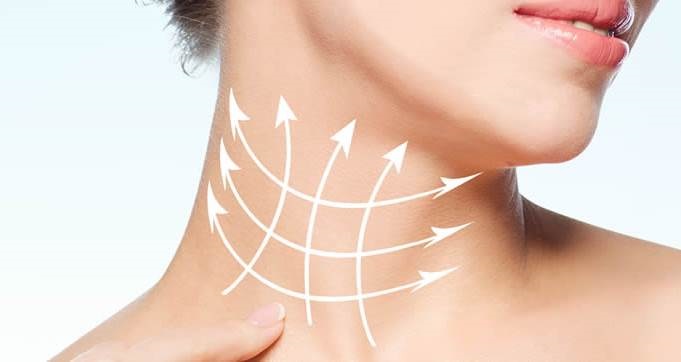
 Botox is a bacterium toxin produced from a bacteria called clostridium botulinum. This toxin acts on the muscle-nerve junction. Because of this feature, the toxin has been turned into medicine by purifying it. Botox creates a temporary paralysis condition in the muscles to which it is applied. It does not affect the entire muscle. It affects the 1-2 cm muscle tissue around Botox applied area. When applied to the facial muscles, this weakens the movement of the muscles and prevents the deepening of the mimic line caused by the muscle. Approximately 3 months after the application, the capability of movement begins to come back to powerful muscles. After 4 months, the movement of weak muscles begins. After 6 months, the effect is completely eliminated. Botox on face is most applied to the edges of the eye, between the eyebrows and on the forehead. In addition, oral circumference and neck applications can be made. Botox applications are repeated 4-6 months. The longer the number of applications, the longer the interval. In time, certain mimics are forgotten and the same effects can be achieved with lower doses. Botox applications are very effective in the treatment of excessive sweating in armpits, palms and soles. The duration of effect is approximately 9 months and in the case of appliance in spring once a year, it provides a comfortable summer break. Botox is very effective in some migraine patients. Botox applied on to the trigger points in which migraine pain occurs, may help to alleviate pain, reduce the frequency of pain or completely clear it off.
Botox
Botox is a bacterium toxin produced from a bacteria called clostridium botulinum. This toxin acts on the muscle-nerve junction. Because of this feature, the toxin has been turned into medicine by purifying it. Botox creates a temporary paralysis condition in the muscles to which it is applied. It does not affect the entire muscle. It affects the 1-2 cm muscle tissue around Botox applied area. When applied to the facial muscles, this weakens the movement of the muscles and prevents the deepening of the mimic line caused by the muscle. Approximately 3 months after the application, the capability of movement begins to come back to powerful muscles. After 4 months, the movement of weak muscles begins. After 6 months, the effect is completely eliminated. Botox on face is most applied to the edges of the eye, between the eyebrows and on the forehead. In addition, oral circumference and neck applications can be made. Botox applications are repeated 4-6 months. The longer the number of applications, the longer the interval. In time, certain mimics are forgotten and the same effects can be achieved with lower doses. Botox applications are very effective in the treatment of excessive sweating in armpits, palms and soles. The duration of effect is approximately 9 months and in the case of appliance in spring once a year, it provides a comfortable summer break. Botox is very effective in some migraine patients. Botox applied on to the trigger points in which migraine pain occurs, may help to alleviate pain, reduce the frequency of pain or completely clear it off.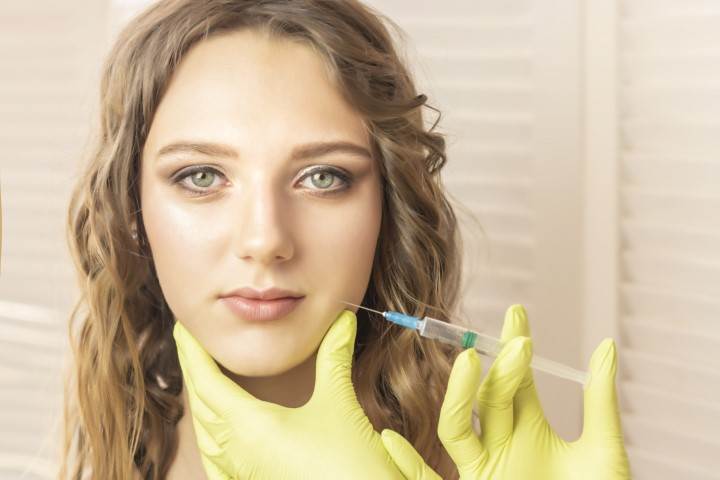


Our Memberships


All the information on our site is for informative purposes only and the photographs are not photographs of our patients but are representative photographs that give visuality to the website